


IMPACT INDIA
When Social Change Requires Behavioral Change
Leaders behind two social impact efforts in India discovered that before they could improve lives, they first had to shift mindsets.
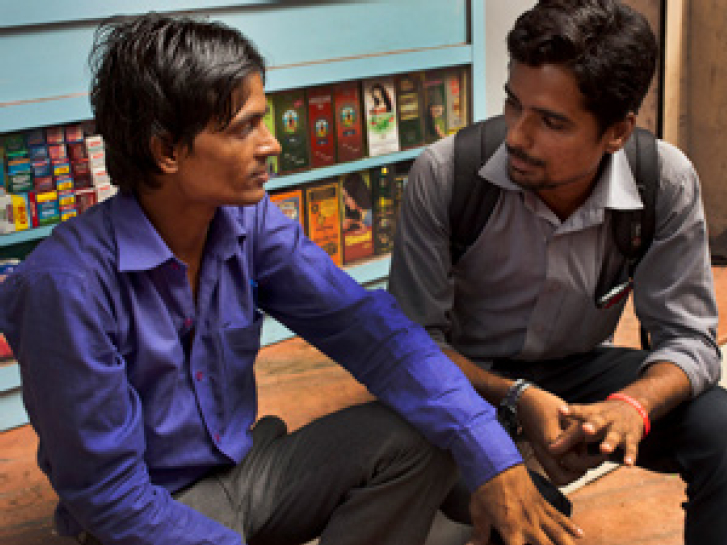
Leaders behind two social impact efforts in India discovered that before they could improve lives, they first had to shift mindsets.

During the Industrial Revolution, labor organizations, social movements, the media, and government came together to rein in big business, providing lessons on how to regulate firms of today like Facebook, Amazon, and Google, writes SSIR's editor-in-chief in an introduction to the Summer 2019 issue.
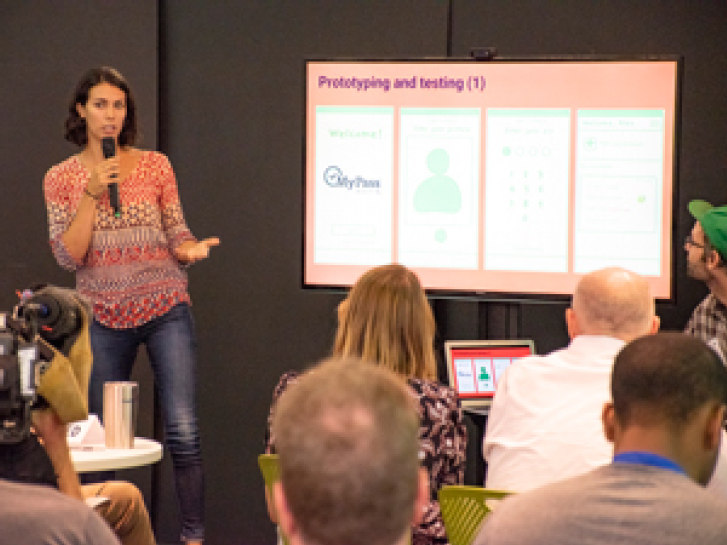
The MyPass Austin project aims to help people experiencing homelessness by using blockchain technology to secure their personal documents. From the What's Next department of the Summer 2019 issue.

For nearly three decades, the Electronic Frontier Foundation has led the fight to protect people’s digital rights, incubating allied organizations and offering free security tools to nonprofits. Can it continue to uphold its mission? From the Summer 2019 issue.

Sociologist Jen Schradie reveals how digital activism empowers defenders of the status quo.

Technology is leaving many mission-driven organizations behind, but a new breed of digital translator can help build the bridges between data, technology, and doing good.

Nonprofits must make careful choices about their digital infrastructure to ensure that it aligns with their mission.

Social enterprises must navigate the contradictory pulls of social and for-profit goals without tipping too far to one side.
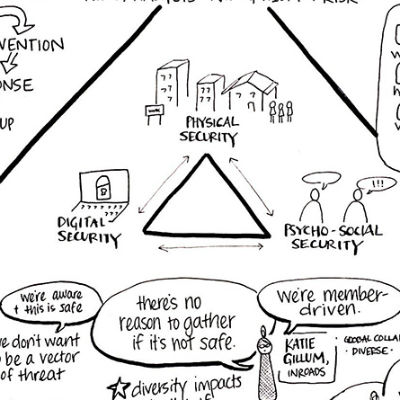
Four steps civil society organizations and their funders can take to begin addressing digital risk.

Andrew Means of Uptake and Stanford's Lucy Bernholz talk about how nonprofits and foundations can take advantage of digital data and infrastructure in an ethical way.